






Hello, World.

I'm Sanjana Nayak.

AI Researcher Sequential Decision-Making Multi-Agent Systems

More About Me My Publications
About me

Hello there!

Profile Picture

Hey there, I'm Sanjana Ganesh Nayak, currently pursuing my Doctorate at Georgia Tech. I find solace in the pages of books and sketching. I'm driven by complex questions and strategic problem-solving, exploring how intelligent systems learn, reason, and make decisions under constraints.

Profile

I am a PhD student at Georgia Tech in Electrical and Computer Engineering, researching at the CORE Lab. My work focuses on planning and decision-making in large-scale discrete-action environments - specifically, scaling Monte Carlo Tree Search through action pruning and learned rollout policies. I am broadly interested in sequential decision-making, reinforcement learning, and game-theoretic reasoning.

  • Fullname: Sanjana Ganesh Nayak
  • Birth Date: April 2, 2002
  • Website:
  • Email: sanjanagn24@gmail.com snayak89@gatech.edu
Skills

  • 90%
    Python
  • 85%
    Reinforcement Learning
  • 80%
    C/C++
  • 75%
    Graph Algorithms
  • 80%
    Embedded Systems
Contact Me

Technical Skills

Publications

Springer Nature

June 2025

Secure Code Generation with CodeT5: Leveraging Large Language Models and CVE Dataset

In the last couple of years, generative models especially large language models drawing from recent advances in AI have emerged as promising for numerous applications. This work illustrates how a large language model, CodeT5, can enhance secure text-to-code generation. CodeT5 is proposed as a unified pre-trained encoder–decoder transformer model that benefits from semantic hints given by developer-assigned identifier names, improving code understanding and promoting trustworthy text-to-code transcribing. It addresses gaps by incorporating an identifier-aware pre-training task and connecting natural language to programming language abstractions through user-written code comments. To enhance code security, CodeT5 is trained on a huge CVE dataset, leveraging code snippets before and after security patches. This new hybrid paradigm helps promote secure coding as well as AI-enhanced software engineering.

DOI

IEEE

October 2024

Malware Detection Employing Deep Neural Networks

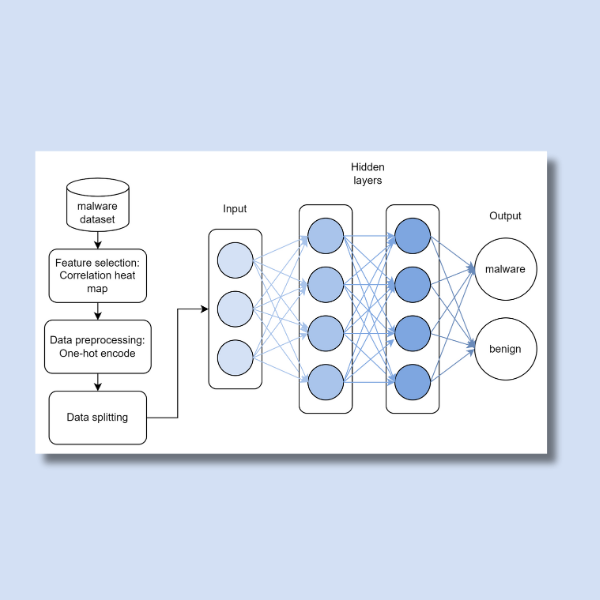
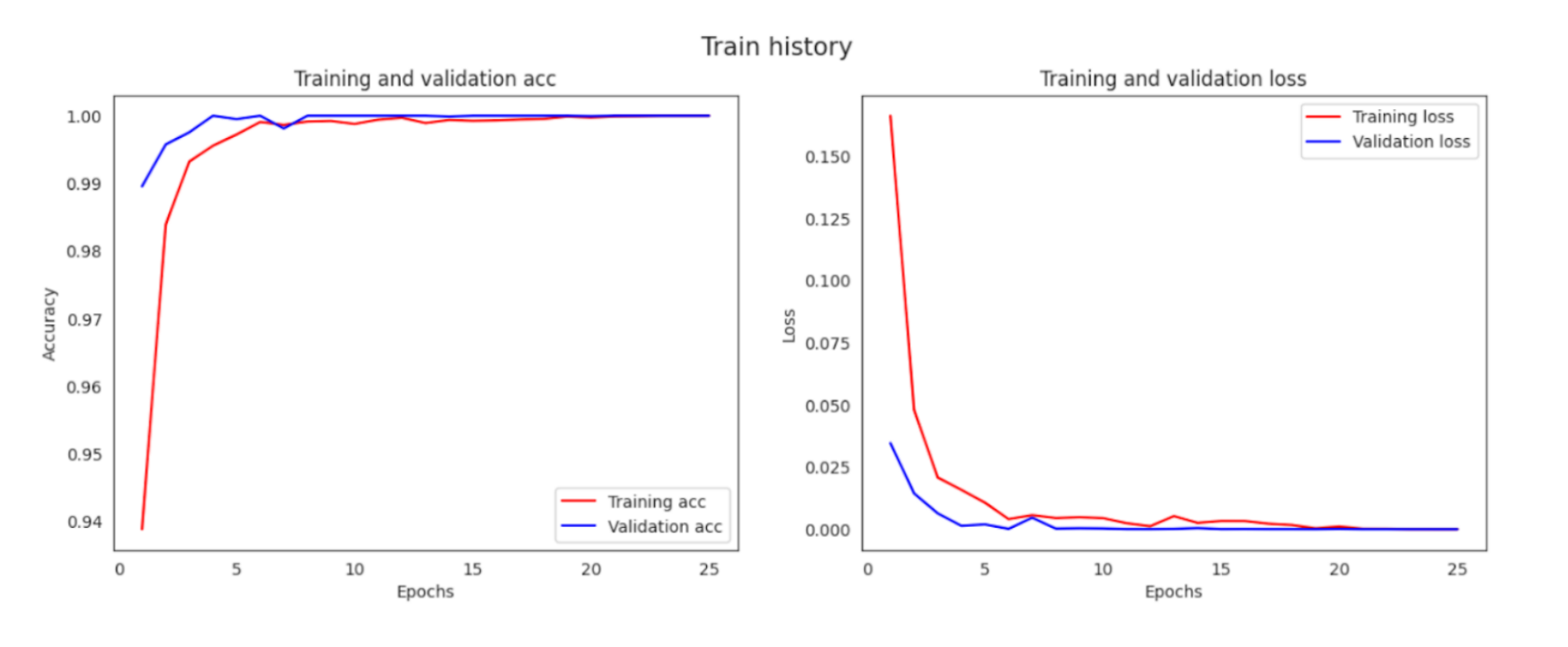
Malware, malicious software designed to disrupt, damage, or gain unauthorized access to computer systems, poses a significant and evolving threat to cybersecurity. Malware detection is an essential component of modern cybersecurity, given the escalating complexity and diversity of malicious software threats. In this study, we present a novel approach to malware detection based on behavior-based datasets using a fully connected deep neural network. Our research is motivated by the need for robust and accurate malware detection models that can adapt to evolving threats. The behavior-based dataset, which captures the dynamic interactions of malware with the host environment, provides a rich source of information for training and evaluation. The model uses the hyperbolic tangent (tanh) activation function and the Nesterov optimizer, resulting in remarkable accuracy of 100%. This study offers a high-performing solution for malware detection using behavior-based datasets. As cybersecurity continues to evolve, our approach contributes to strengthening defenses against the ever-persistent threat of malware.

DOI

Frontiers in Surgery

June 2022

Telemedicine and Telehealth in Urology: Uptake, Impact and Barriers to Clinical Adoption

Telemedicine has great potential in urology as a strong medium for providing patients with continuous high-quality urological care despite the hurdles involved in its implementation. Both clinicians and patients are crucial factors in determining the success of tele-consults in terms of simplicity of use and overall satisfaction. For it to be successfully incorporated into routine urological practice, rigorous training and evidence-based recommendations are lacking. If these issues are addressed, they can provide a significant impetus for future tele-consults in urology and their successful deployment, even beyond the pandemic, to assure safer and more environment-friendly patient management.

DOI

Frontiers in Surgery

April 2022

Telemedicine and Telehealth in Urology—What Do the 'Patients' Think About It?'

Telemedicine is the delivery of healthcare to patients who are not in the same location as the physician. The practice of telemedicine has a large number of advantages, including cost savings, low chances of nosocomial infection, and fewer hospital visits. Teleclinics have been reported to be successful in the post-surgery and post-cancer therapy follow-up, and in offering consulting services for urolithiasis patients. This review focuses on identifying the outcomes of the recent studies related to the usage of video consulting in urology centers for hematuria referrals and follow-up appointments for a variety of illnesses, including benign prostatic hyperplasia (BPH), kidney stone disease (KSD), and urinary tract infections (UTIs) and found that they are highly acceptable and satisfied. Certain medical disorders can cause embarrassment, social exclusion, and also poor self-esteem, all of which can negatively impair health-related quality-of-life. Telemedicine has proven beneficial in such patients and is a reliable, cost-effective patient-care tool, and it has been successfully implemented in various healthcare settings and specialties.

DOI

Engineered Science

April 2022

Role of Artificial Intelligence in Detecting Colonic Polyps during Intestinal Endoscopy

With the inter and multi-disciplinary collaboration of the medical community with technologists in conjunction with a disproportionately alarming doctor-patient ratio, it has now become a matter of concern for researchers to enhance patient care with advanced technology along with the reduction of burden on medical professionals. Artificial Intelligence (AI) has now been accepted willingly in the healthcare sector, which has led to a tremendous increase in computational power and large data handling capabilities and is widely used in gastrointestinal endoscopy. The objective of this review is to explore the state of current literature on different AI-based methods applied in intestinal endoscopy for the detection of colonic polyps. A detailed non-systematic literature review was conducted to identify all relevant studies using PubMed/MEDLINE, Scopus, EMBASE, and Google Scholar databases. The technique of AI systems, model building steps, and diagnostic measuring techniques are also discussed. In the automated diagnosis of polyps, AI-based platforms have achieved clinically acceptable diagnostic efficiency. AI-based methods can be of clinical importance in gastroenterology, and as computing strength and algorithms enhance, the application is likely to grow and expand in the field.

DOI
Portfolio

Check Out Some of My Works.

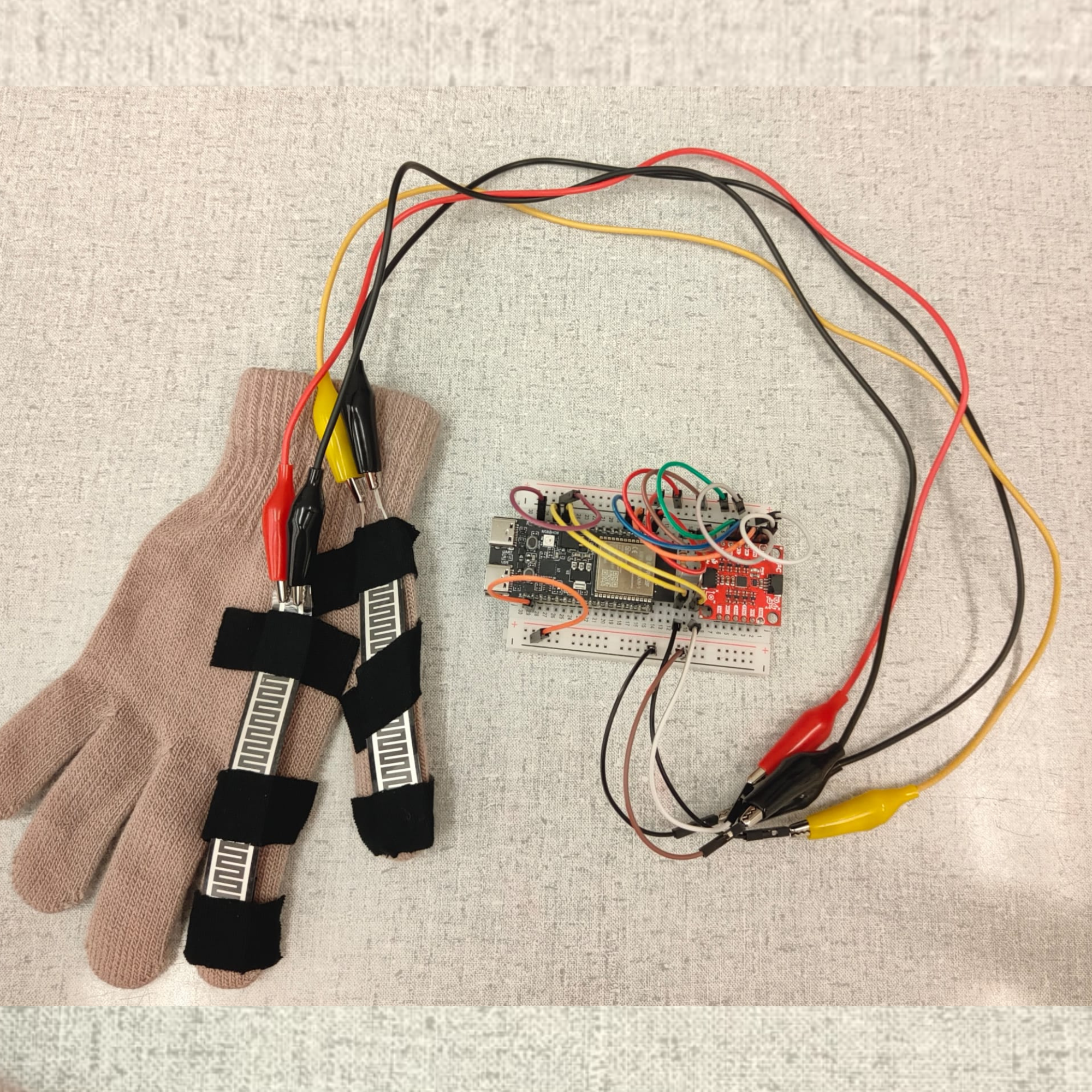
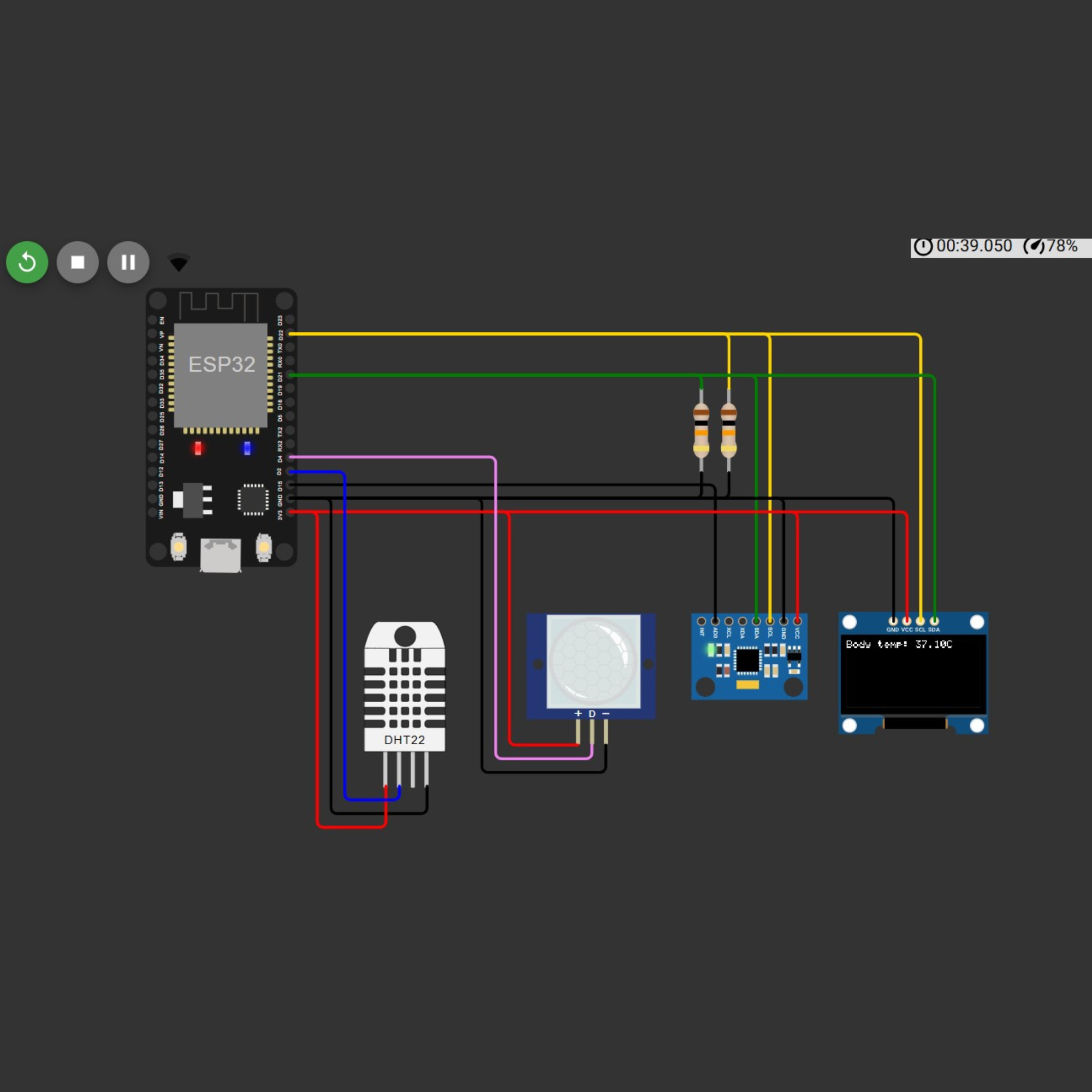
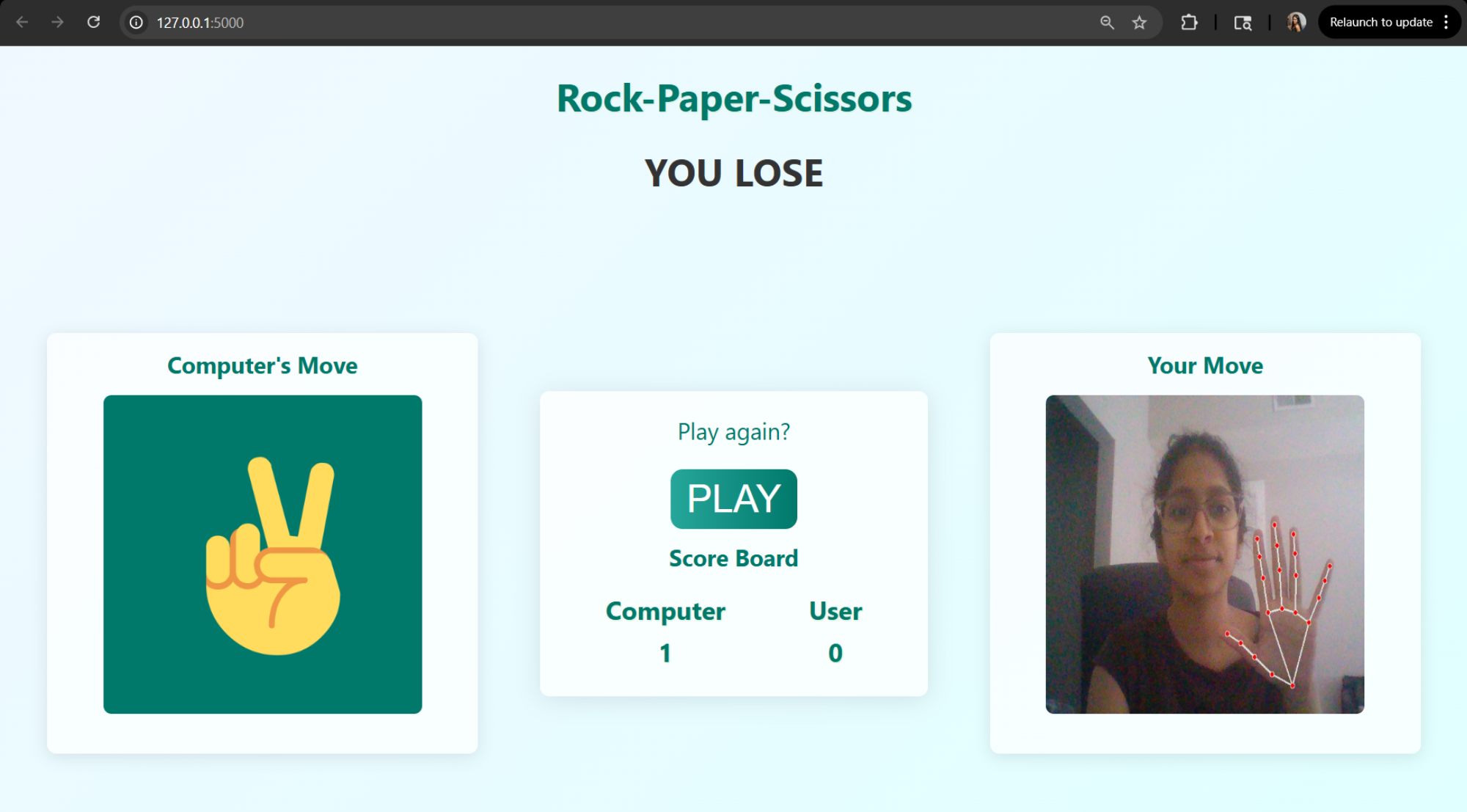
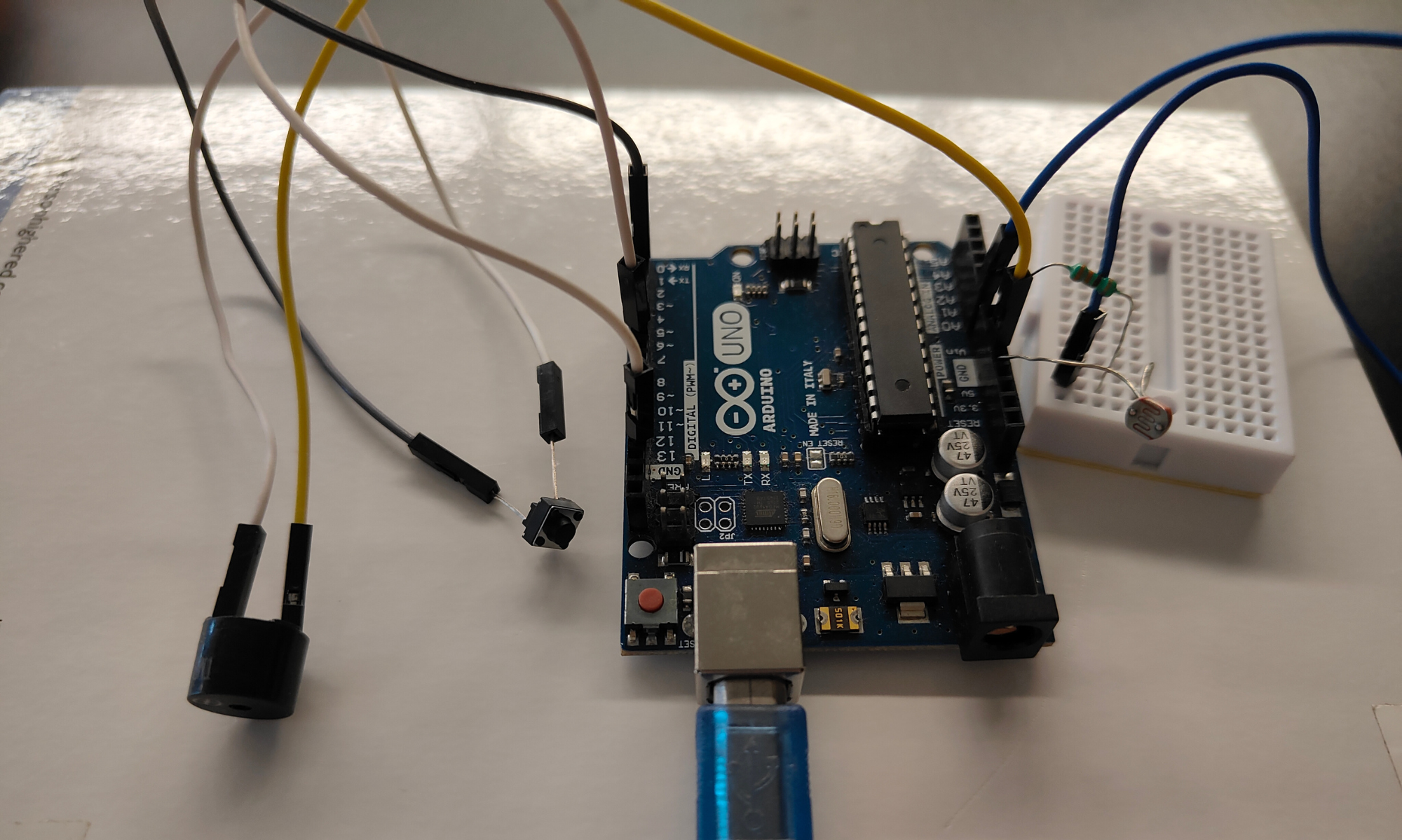
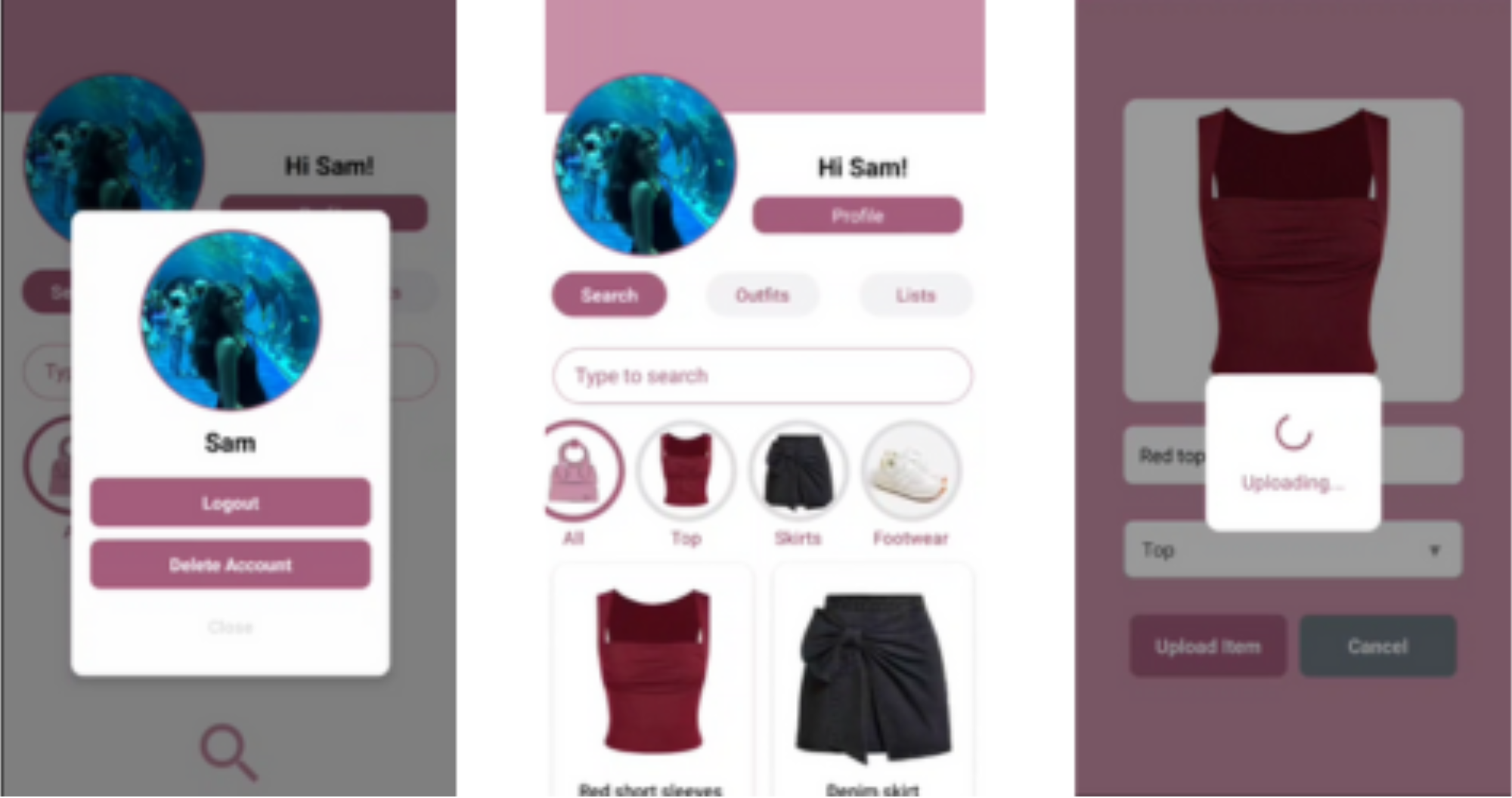
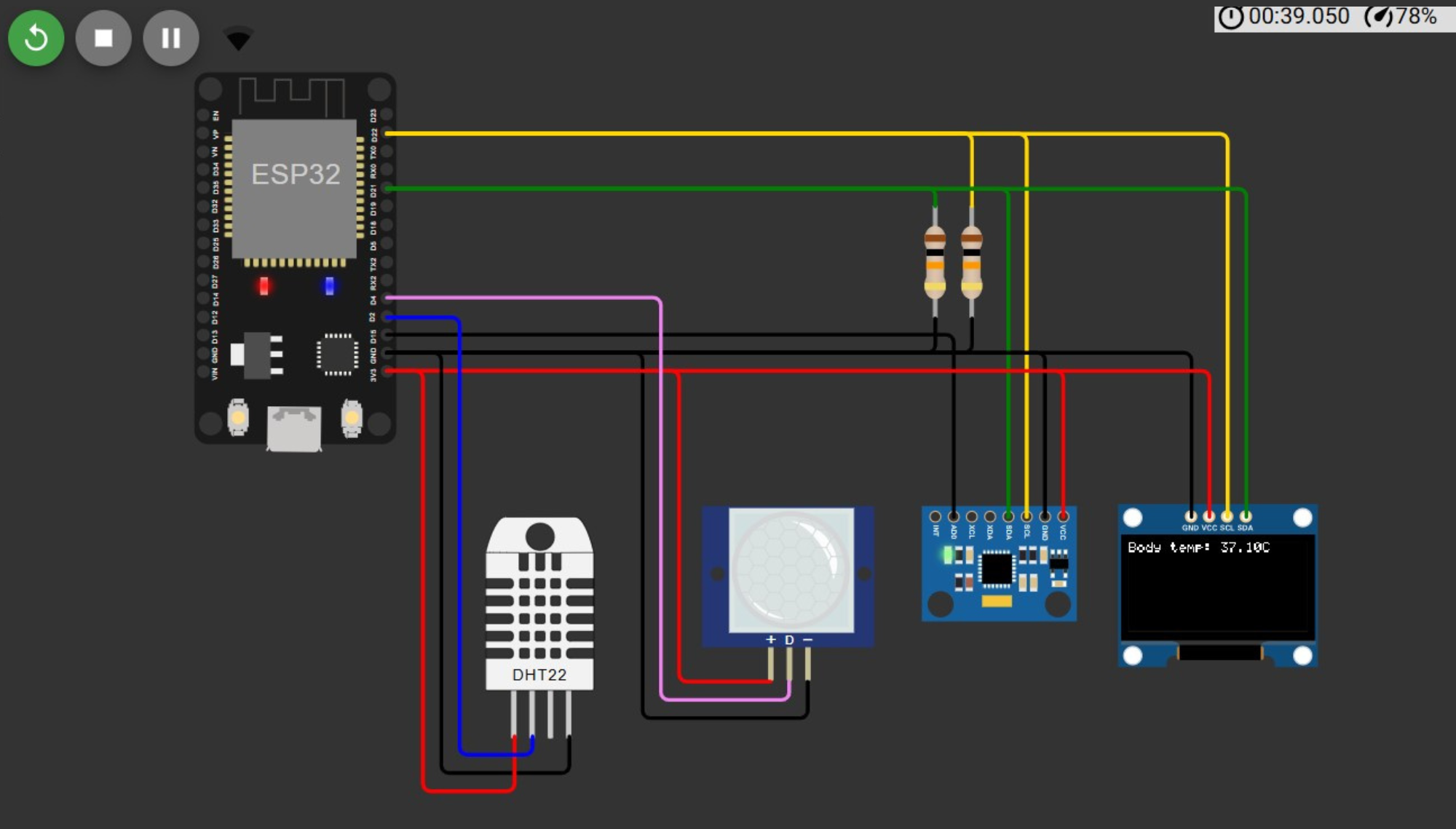
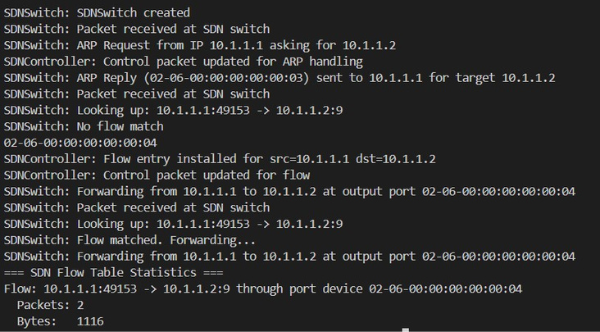
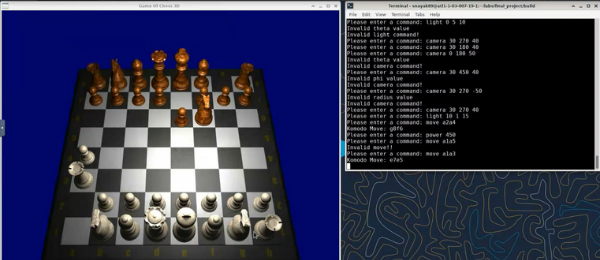
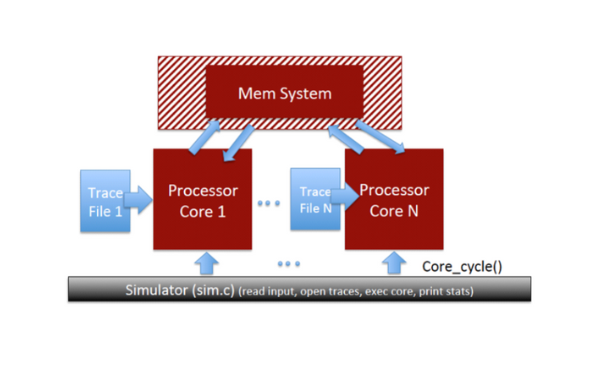
Demonstrating versatility in my skill set, I've undertaken diverse projects encompassing analytical thinking, algorithmic problem-solving, and firmware development projects. Each project reflects my commitment to innovation and proficiency in tackling multifaceted challenges.

To check all of my projects follow me at
GitHub Kaggle

Resume

More of my credentials.

Embarking on the professional journey, I've had the privilege of translating my passion for computer systems and software development into tangible accomplishments. Here's a glimpse into my hands-on experiences, education and the skills I've cultivated along the way.

Work Experience

Graduate Research Assistant

August 2025 - Present

CORE Lab, Atlanta, USA

  • Conducting research as a Graduate Research Assistant at the CORE Lab (Georgia Tech), advancing learning algorithms for strategic decision-making in turn-based grand strategy games, with a focus on Monte Carlo planning and action space optimization for an MS thesis on accelerating MCTS in discrete-action environments.
  • Reduced action space by 29.55% through heuristic-based action pruning in a 4-player Capture the Flag environment (TripleA), enabling more targeted tree expansion and improving policy quality under fixed computational budgets.
  • Accelerated MCTS iteration throughput by 6x over a pure Python baseline by implementing a hybrid Cython/Python execution model
  • Achieved a 77% win rate against the native TripleA engine AI, validating that the combined action pruning and performance optimization pipeline produced a competitive, deployable planning agent.
  • Integrating neural network-guided policy heads into the MCTS rollout phase to address the statelessness limitation of standard MCTS, replacing uniform rollouts with learned priors for more sample-efficient tree search.

Applications developer intern

January 2024 - July 2024

Communications GBU, Oracle, India

  • Automated complex UI and backend router interactions using Python, Behave (BDD), and Selenium, reducing test execution time from ~30 minutes to under 1 minute.
  • Integrated automation scripts into the Jenkins CI pipeline, enabling seamless nightly test execution and accelerating development feedback loops.
  • Validated outputs based on real router state transitions, developing an understanding of network device behavior and configuration workflows.
  • Worked in a collaborative enterprise software environment with tools such as Git, Jenkins, Agile methodology, and CI/CD pipelines.

Research intern

November 2023 - August 2024

Instrumentation and Control Engineering department, MIT, Manipal

  • Conducted research as a Research Intern at the Instrumentation and Control Engineering Dept., deploying deep RL-based controllers for real-time closed-loop process control.
  • Developed a Nonlinear MPC using DDPG (Keras/Python) to regulate batch reactor temperature from live sensor inputs, framing temperature stabilization as a continuous-action RL control problem.
  • Reduced overshoot by ~30% by redesigning the reward function to explicitly penalize transient violations, demonstrating direct impact of reward shaping on control performance.
  • Validated the trained policy across 3 real-time hardware trials on a batch polymerization reactor, confirming robustness to process noise and actuator delays under closed-loop deployment.
  • Deployed inference pipeline on a Jetson Orin Nano, enabling real-time policy execution within the physical control loop.

Research Intern

April 2023 - April 2024

Samsung, PRISM

  • Fine-tuned the CodeT5 transformer model to generate secure Java code, targeting vulnerability remediation through AI-based code generation.
  • Created a custom dataset by extracting and pairing vulnerable and patched code from CVE reports for supervised training.
  • Evaluated the model using BLEU and CodeBLEU metrics, achieving scores of ~0.86 BLEU and 0.60 CodeBLEU, outperforming the baseline.
  • Analyzed common security issues such as buffer overflows and use-after-free, deepening understanding of secure memory handling and system-level vulnerabilities.
  • Used tools and libraries like Python, Hugging Face Transformers, and Git to implement and evaluate the ML pipeline.

Firmware development Intern

June 2023 - July 2023

Accio Robotics

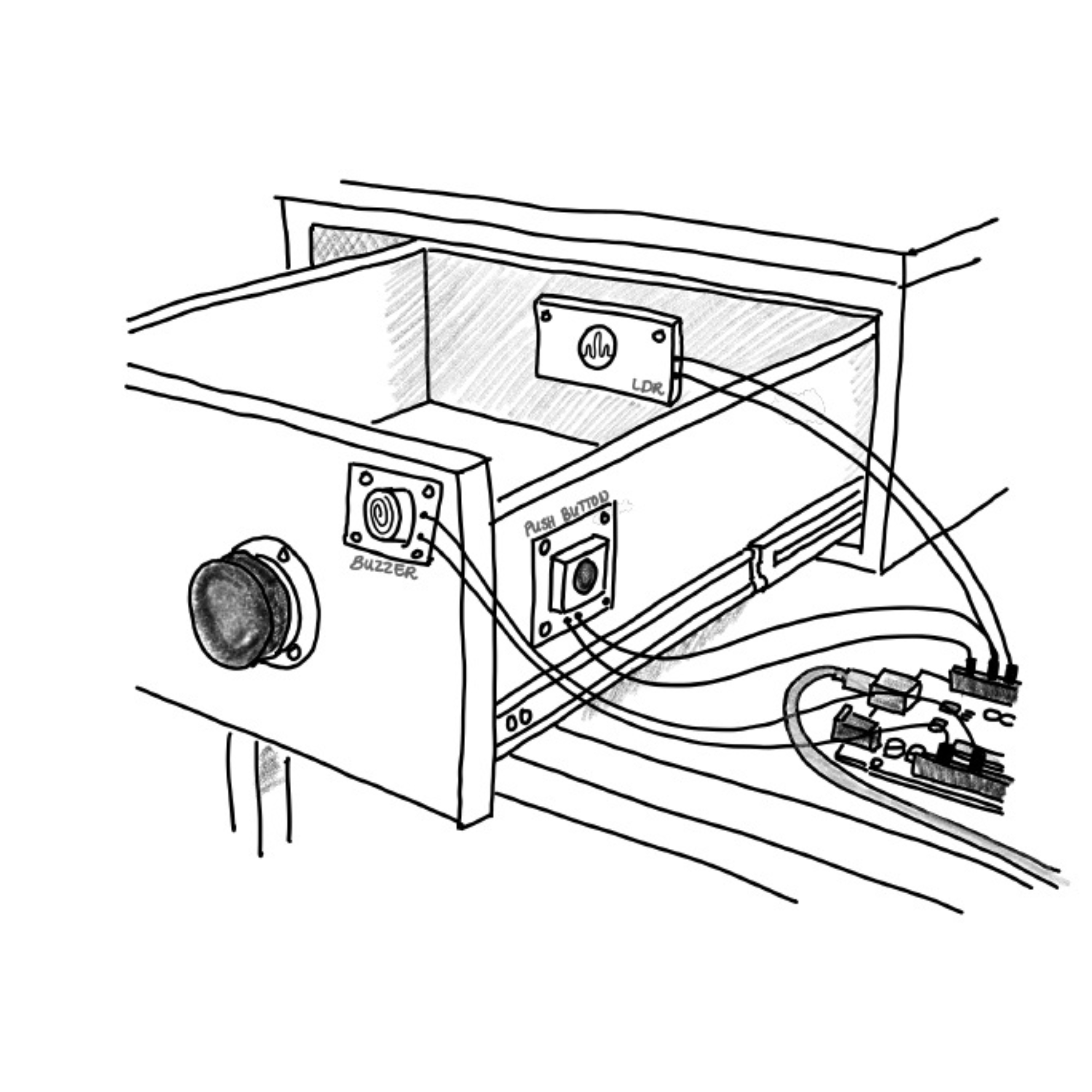
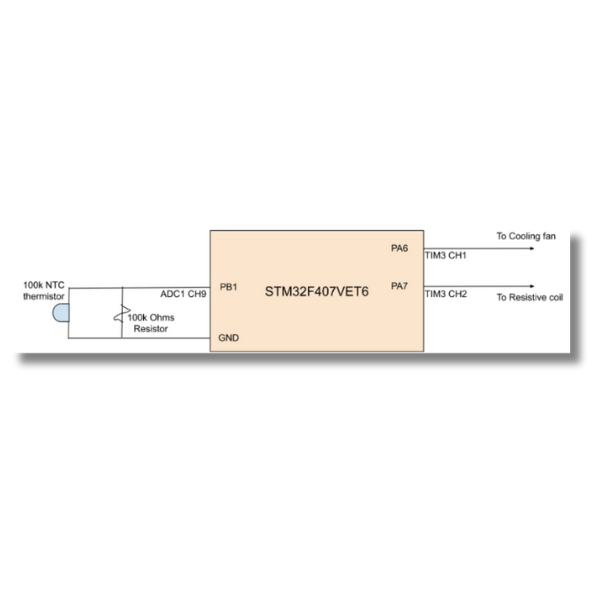
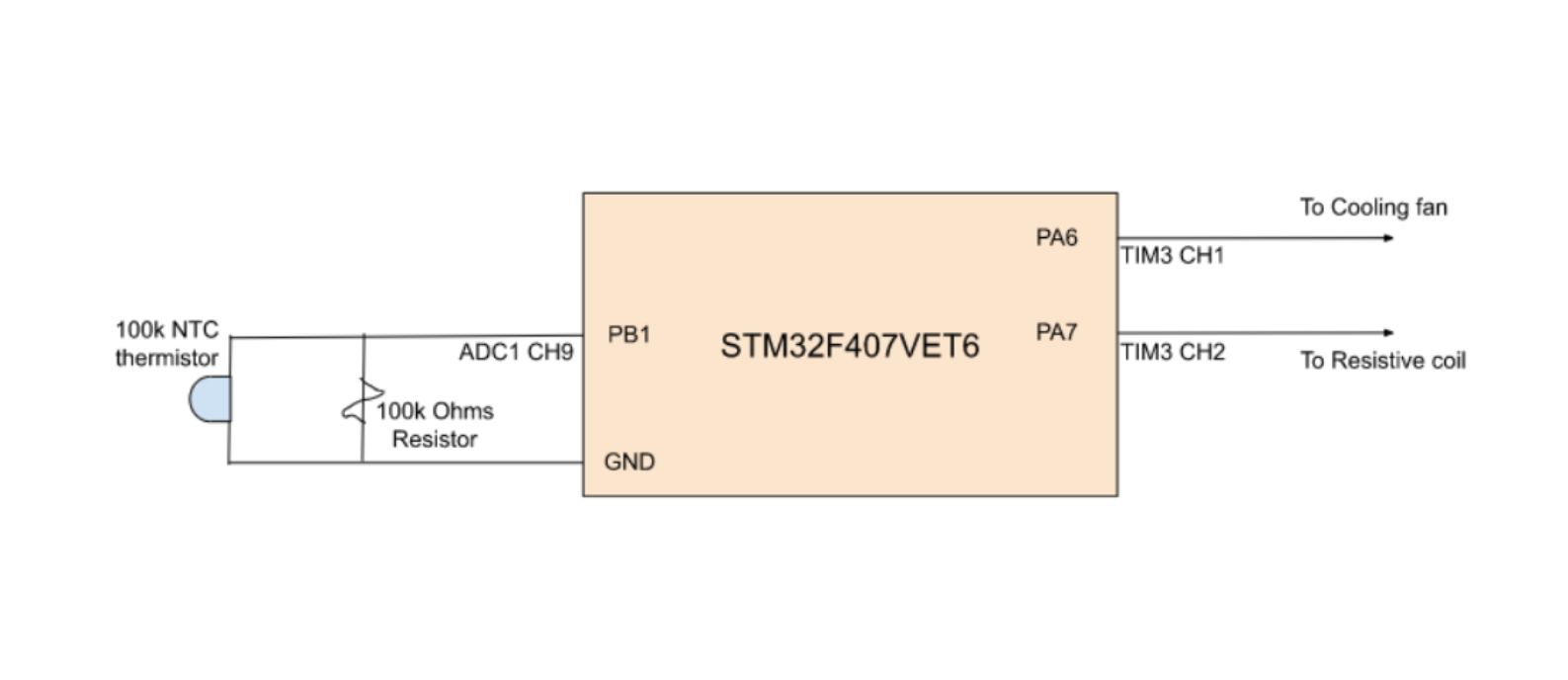
  • Developed embedded C/C++ firmware for a Put-To-Light (PTL) module in warehouse robots, integrating solenoids, limit switch sensors, and OLED displays.
  • Designed and implemented a finite state machine (FSM) to manage drawer operations across 24 deployed PTL modules, ensuring responsive real-time control.
  • Wrote custom LED control firmware using addressable LEDs to display robot directions and battery levels with visual feedback.
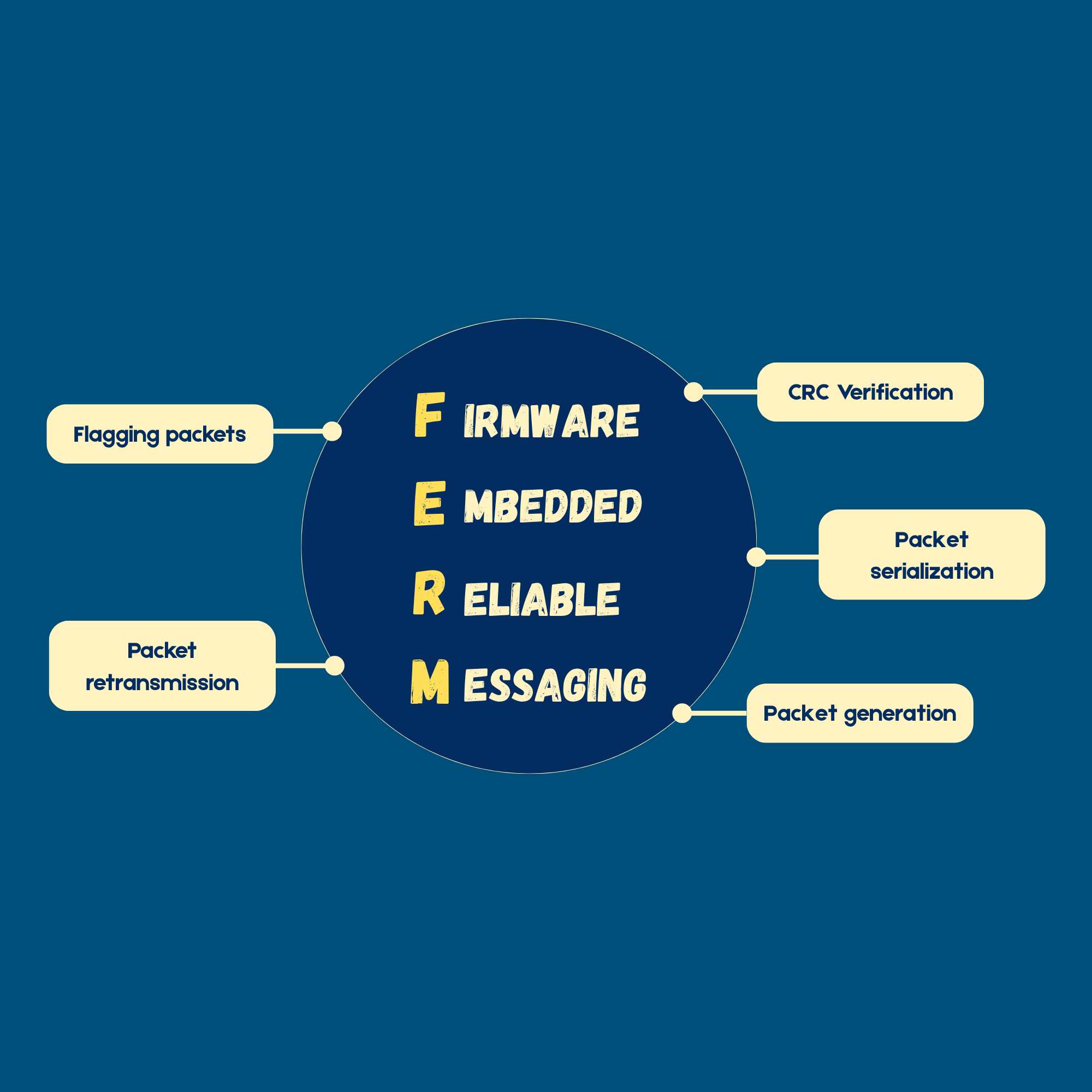
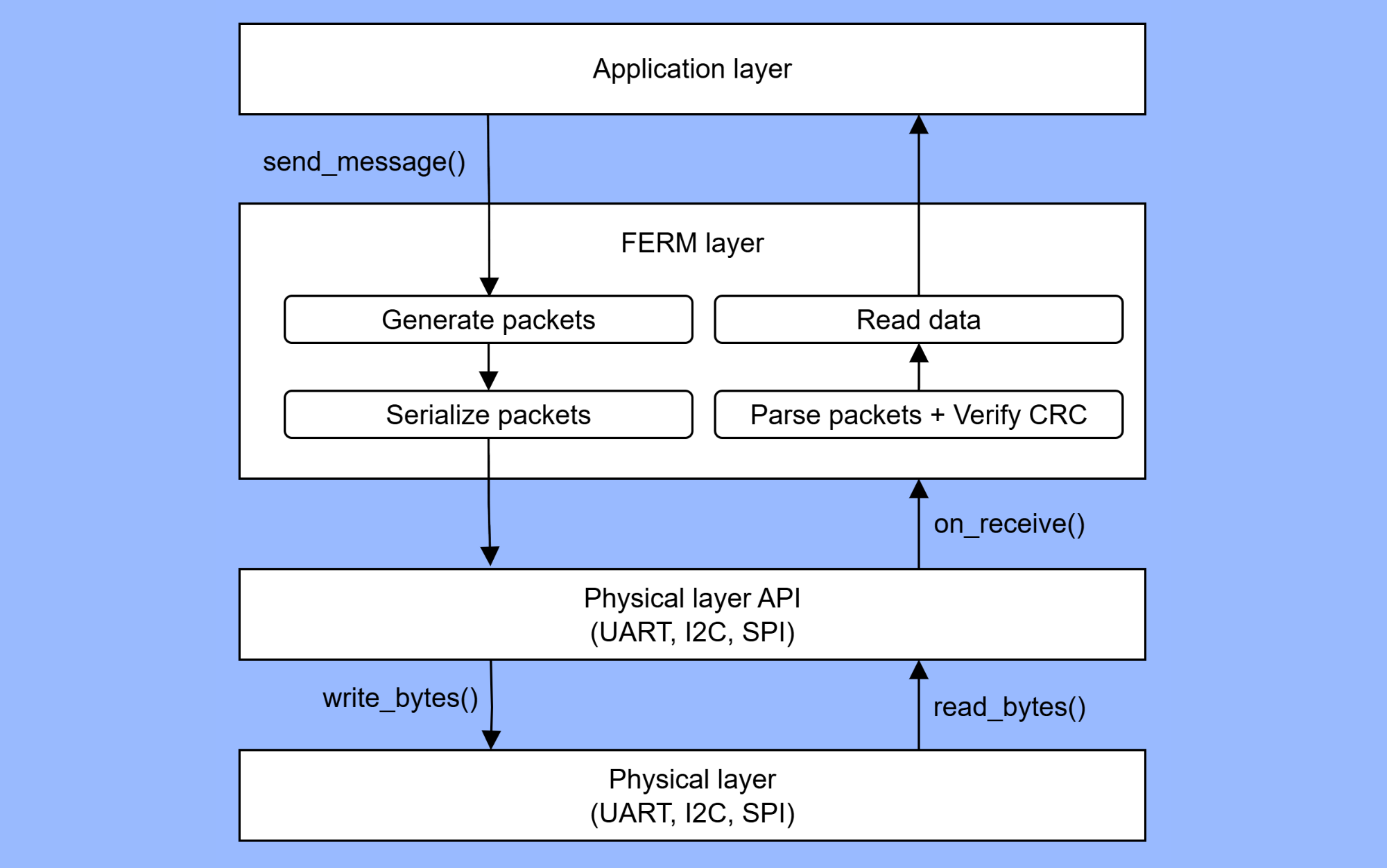
  • Optimized the network stack by introducing a hybrid CAN + MQTT over UART system via ESP32, significantly improving feedback reliability and reducing CAN bus congestion.
  • Reduced feedback loss from ~10% to <0.1% during high-volume operation, enhancing scalability of PTL stacks.
  • Worked with hardware including STM32, ESP32, WS2812 LEDs, solenoids, limit switch sensors, and used tools like oscilloscopes, logic analyzers, and Git for version control.

Education

Doctorate Degree

2026 - Present

Georgia Institute of Technology, Atlanta

Studying Electrical and Computer Engineering.

Masters Degree

2024 - 2026

Georgia Institute of Technology, Atlanta

MS in Electrical and Computer Engineering with a GPA of 3.82.

    • Conducting research as a Graduate Research Assistant at the CORE Lab (Georgia Tech), advancing learning algorithms for strategic decision-making in turn-based grand strategy games, with a focus on Monte Carlo planning and action space optimization for an MS thesis on accelerating MCTS in discrete-action environments.
    • Reduced action space by 29.55% through heuristic-based action pruning in a 4-player Capture the Flag environment (TripleA), enabling more targeted tree expansion and improving policy quality under fixed computational budgets.
    • Accelerated MCTS iteration throughput by 6x over a pure Python baseline by implementing a hybrid Cython/Python execution model.
    • Achieved a 77% win rate against the native TripleA engine AI, validating that the combined action pruning and performance optimization pipeline produced a competitive, deployable planning agent.
    • Integrating neural network-guided policy heads into the MCTS rollout phase to address the statelessness limitation of standard MCTS, replacing uniform rollouts with learned priors for more sample-efficient tree search.

Bachelor Degree

2020 - 2024

Manipal Institute of Technology, Manipal

Bachelor of Technology in Computer Science & Engineering, Minor Specialization in Big data with a CGPA of 9.39.

    • Collaborated in building a 2U nano-satellite, contributing to the project's development and success.
    • Demonstrated a comprehensive understanding of the overall flow of data, including telemetry and telecommands, within the satellite system and ground station.
    • Programmed drivers for various sensors, establishing protocols between peripherals and the micro-controller to ensure proper functionality.
    • Led the On-Board Data Handling Subsystem, taking charge of overseeing and managing the workflow of this critical subsystem.
    • Played a key role in ensuring efficient data handling and communication processes onboard the satellite, contributing to its operational success.
    • parikshitspace.in

    • Responsible for managing the organization's data and implementing automation using Google Sheets and Apps Script to streamline processes and significantly reduce manual tasks.
    • As a member of the Junior body, assumed responsibility for managing organizational tasks by overseeing the local committee composed of 50 students.
    • Managed the onboarding of interns and organized events to enhance team collaboration and productivity.
    • Desinged posts for social media including Instagram, Facebook, LinkedIn.
    • As part of the design team, collaborated on creating the website design using Figma.
    • iaeste.in/manipalmu

High School

2018 - 2020

Madhava Kripa School, Manipal

Completed secondary school education with 95.8% score, and the 1st rank at school level.

13

Book Challenge
Contact

I'd Love To Hear From You.

The best way to get my attention is to mail me your thoughts and comments.

Contact Me
Your message was sent, thank you!